[AI Nexus’s 2nd Chapter] Bridge Builders - Korea-America’s Next Generation on Tech Sovereignty and Human Future (29-Jul-2026)
posted: 01-May-2026 & updated: 29-Jul-2026
Want to share this event? Use this link – https://sv-ai-nexus.github.io/event-announcements/02 – to share this special colloquium!
Invitation
Starting from our very 2nd Chapter, AI Nexus is going GLOBAL. In response to overwhelming requests from friends and colleagues across the U.S. and around the world, we will broadcast this event LIVE via Google Meet. Whether you're in Seoul, New York, Boston, London, or anywhere else — you can be there with us.
👉 https://meet.google.com/bsw-xetf-wff
With half of the KASC delegates being American students, the entire colloquium — keynote, student flash talks, panel discussion, and networking — will be conducted in English. A truly global stage for a truly global conversation.
AI Nexus Community Members, Friends, Educators, Students, Policymakers, and Bridge Builders!
🌉 THE NEXT GENERATION SPEAKS! 🌉
In an era where AI reshapes sovereignty, privacy, economic structures, and the fundamental relationship between technology and human agency, the most important perspectives may not come from today’s established leaders—but from those who will inherit the consequences of our decisions.
This summer, Korea-America Student Conference (KASC) brings 25 exceptional students from top universities across Korea and the United States to Silicon Valley. These are not passive observers but active thinkers: undergraduates and graduate students studying engineering, policy, economics, philosophy, and humanities—students who code, debate, research, write policy papers, and grapple with questions that previous generations never had to ask.
What happens when next-generation voices meet Silicon Valley reality?
We are thrilled to invite you to AI Nexus’s 2nd Chapter — a Special Joint Colloquium with KASC!
[AI Nexus × KASC Joint Colloquium] Bridge Builders - Korea-America’s Next Generation on Tech Sovereignty and Human Future
This is not a traditional forum. This is a dialogue—where students lead, practitioners critique, and the conversation flows both ways. Call it reverse mentoring. Call it generational exchange. Call it an investment in the people who will shape the next two decades of Korea-US technology collaboration.
- Date: 29-Jul-2026 (wed)
- Time: 5pm - 8pm (Pacific Daylight Time)
- Venue: EVGR C Theater, Stanford University
- 🌎 Broadcasting LIVE to the World via Google Meet: https://meet.google.com/bsw-xetf-wff
- Format: Congratulatory Remarks + Keynote + Student Flash Talks + Panel Discussion + Dinner & Networking
- Sponsor: The Consulate General of the Republic of Korea at San Francisco
- Please RSVP via this link!
- We’re on LinkedIn and Instagram, too!
Why This Colloquium Matters
AI changes everything about how nations compete, how citizens interact with technology, and how power is distributed across governments, corporations, and individuals.
But those who are building today’s systems won’t live with them as long as the next generation will.
Students today are AI natives. They grew up with recommendation algorithms shaping their attention, social media platforms mediating their friendships, and privacy trade-offs baked into every app they use. They understand these systems from the inside—not as abstract policy questions, but as lived experience.
And yet, the most important conversations about AI’s future often exclude them.
This colloquium inverts that dynamic.
Three core questions define the conversation:
-
How does the next generation view tech sovereignty and human agency? Students who grew up in Korea and the United States see AI governance, privacy, national security, and technological autonomy through different lenses than those who built the current system. Their perspectives matter—not as naive idealism, but as informed judgment from those who will inherit the consequences.
-
What can Silicon Valley practitioners learn from next-gen thinking? The most valuable insights don’t always come from more experience. Sometimes they come from fresh eyes, different assumptions, and the willingness to question what previous generations took for granted. This is reverse mentoring in action.
-
What does Korea-America collaboration look like when led by the next generation? KASC represents something rare: bilingual, bicultural students who understand both Korean and American perspectives, who bridge policy and technology, who combine technical depth with humanistic breadth. They are tomorrow’s diplomats, engineers, founders, policymakers, and thought leaders. Connecting them with Silicon Valley AI Nexus creates relationships that will matter for decades.
Jul-2026 AI Nexus × KASC Joint Colloquium will explore these questions through congratulatory remarks, keynote, flash talks, panel discussion, and extended networking.
- Please RSVP via this link!
- Please visit AI Nexus Membership to learn about AI Nexus membership qualification and exclusive perks!
- Join us at AI Nexus Members Kakaotalk Chatroom using this info (if you’re qualified)!
What is Korea-America Student Conference (KASC)?
KASC has been building bridges between Korea and America for nearly two decades.
Each year, KASC brings together exceptional students from leading universities in both countries—students who combine academic excellence with genuine curiosity about cross-cultural collaboration, technology policy, social innovation, and the future of bilateral relations.
The 19th KASC Delegation (Summer 2026):
- 25 students from universities across Korea and the United States, including Seoul National University, Korea University, Sungkyunkwan University, Georgetown University’s Walsh School of Foreign Service, and more
- Multidisciplinary backgrounds: Engineering, computer science, economics, political science, philosophy, humanities, and policy studies
- Bilingual and bicultural: Korean students with deep understanding of American contexts, American students with genuine Korea expertise
- Academic rigor meets real-world engagement: Not just tourists—these are students conducting research, writing policy papers, debating tech ethics, and thinking seriously about Korea-US futures
Why KASC × AI Nexus is a perfect match:
AI Nexus explores AI’s comprehensive landscape across technology, society, ethics, philosophy, and humanity. KASC brings students who live at exactly that intersection—students who code and think about policy, who study AI and worry about human agency, who understand both Korean and American perspectives on technology sovereignty.
This partnership creates value in both directions: students gain access to Silicon Valley practitioners, and practitioners gain access to next-generation thinking.
Event Format - Reverse Mentoring in Action
This colloquium inverts the traditional forum dynamic.
Instead of practitioners lecturing students, students speak first—presenting their research, perspectives, and questions. Then AI Nexus mentors respond with practical feedback, real-world critique, and extended dialogue.
| Time | Activity |
|---|---|
| 5pm - 5:30pm | Registration & Early Networking |
| 5:30pm - 5:35pm | Congratulatory Remarks (Kyeongrae Cho, Consul for AI, Consulate General of the Republic of Korea at San Francisco / Ministry of Science and ICT) |
| 5:35pm - 5:55pm | Keynote: Tech Sovereignty and the Korea-US Alliance (Sunghee Yun, Co-Founder & CTO @ Erudio Bio, Co-Founder & Leader & Chair @ AI Nexus) |
| 5:55pm - 6:15pm | Flash Talks: Next-Gen Perspectives on Tech, Policy, and Human Future (KASC Students) |
| 6:15pm - 6:55pm | Panel Discussion: Silicon Valley Meets the Next Generation (Moderated by Hyein Kim) |
| 6:55pm - 8pm | Dinner & Extended Networking |
What makes this format special:
Traditional forums often put students in the audience. This colloquium puts students on stage.
The keynote sets context. The flash talks surface next-gen thinking. The panel discussion creates dialogue between generations, disciplines, and national perspectives. And the extended networking turns intellectual exchange into lasting relationships.
This is how communities build across generations.
Congratulatory Remarks
Speaker – Kyeongrae Cho - Consul for AI, Consulate General of the Republic of Korea at San Francisco / Ministry of Science and ICT
We are honored that Consul Cho will open our colloquium with congratulatory remarks on behalf of the Consulate General of the Republic of Korea at San Francisco, which generously sponsors this event. Consul Cho’s portfolio spans science, technology, AI, and ICT—making him an ideal voice to set the stage for an evening exploring tech sovereignty and the Korea-US alliance.
Part 1: Keynote - Tech Sovereignty and the Korea-US Alliance (20 minutes)
Speaker – Sunghee Yun - Co-Founder & CTO @ Erudio Bio / Co-Founder & CEO @ Erudio Bio Korea / Co-Founder & Leader & Chair of AI Nexus
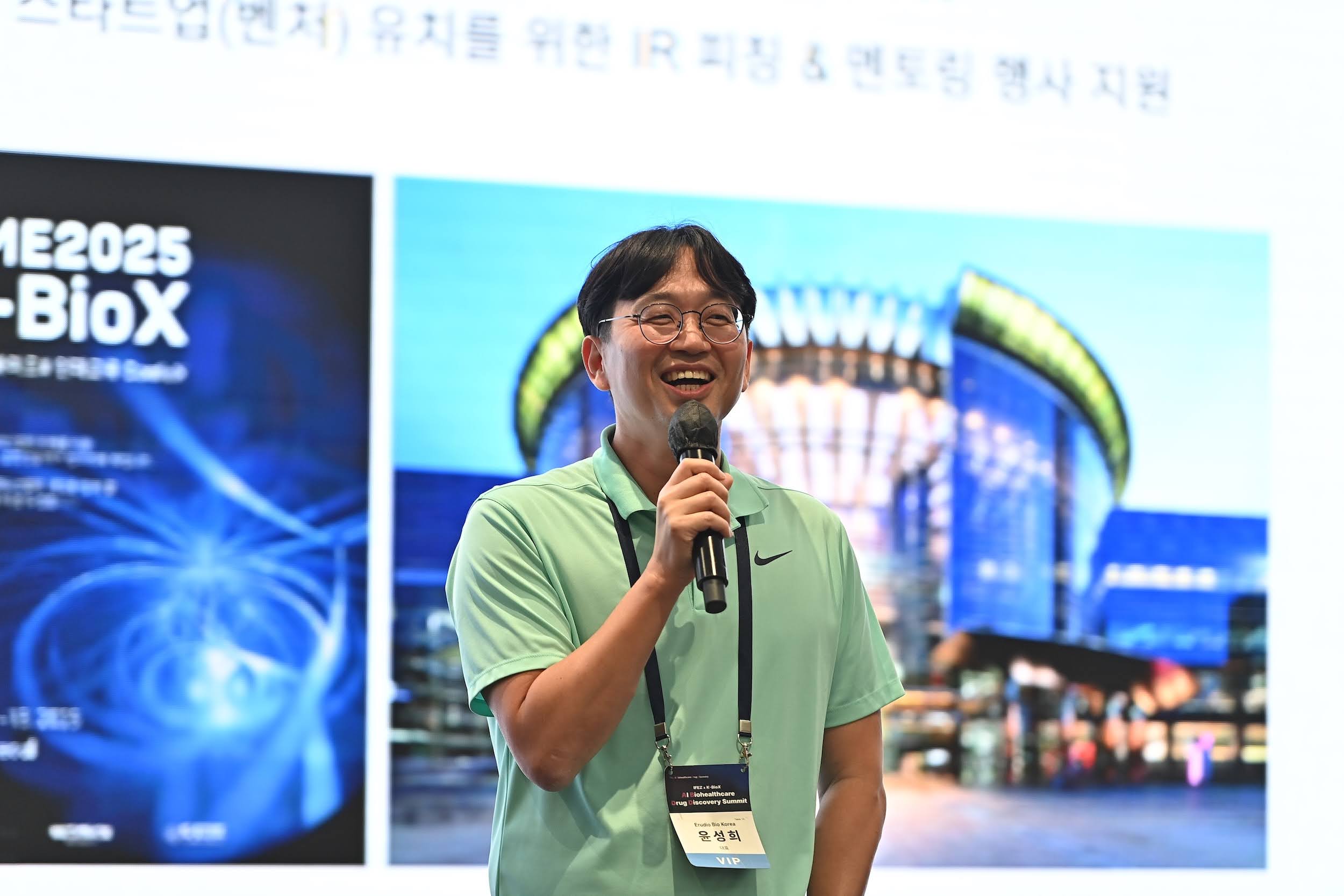
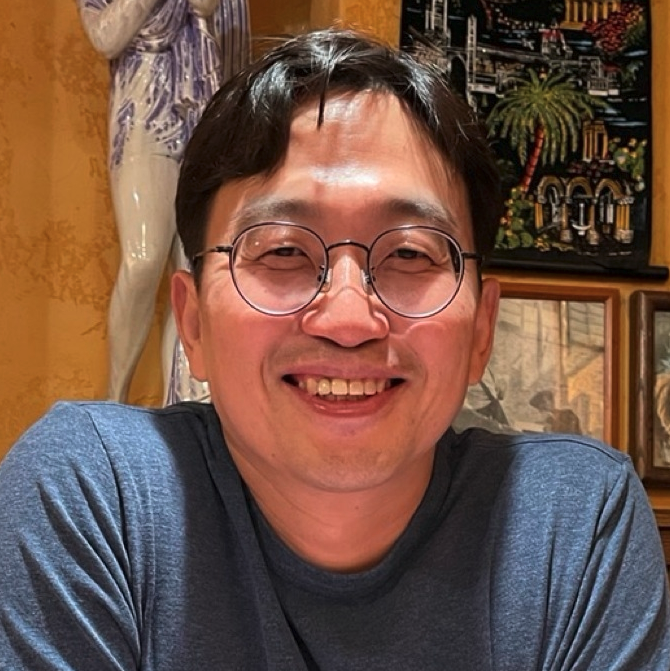
Technology sovereignty has emerged as one of the defining questions of the 21st century. As AI, semiconductors, quantum computing, and biotech become strategic assets that shape national security, economic competitiveness, and social stability, nations must decide: build domestic capability, align with allies, or accept dependence on others.
For Korea and the United States, this question matters deeply. The alliance has anchored regional security for seven decades. But technology adds new dimensions: supply chain resilience, data governance, AI safety standards, export controls, research collaboration, and the balance between openness and protection.
This keynote will explore:
- What “tech sovereignty” means in an interconnected world where no nation can go it alone
- How Korea-US collaboration creates strategic advantage in AI, semiconductors, and biotech
- Why the next generation will inherit not just technologies, but the governance choices we make today
- How human agency—individual autonomy, democratic participation, and meaningful choice—intersects with technological capability
- What questions today’s leaders should be asking themselves about the world we’re building
Why this framing matters:
The keynote provides the strategic context for everything that follows. It sets up the students’ flash talks by establishing the stakes, complexity, and urgency of the questions they’re grappling with. And it signals to AI Nexus practitioners that these are not abstract academic exercises—these are the real strategic questions our community works on every day.
Part 2: Flash Talks - Next-Gen Perspectives on Tech, Policy, and Human Future (20 minutes)
Speakers – Selected KASC 19th Delegation Members
This is where next-generation voices take center stage. KASC students have spent months researching, debating, and refining their perspectives on technology, policy, ethics, and Korea-US collaboration. They bring technical depth (many are engineering or CS students), policy sophistication (many study international relations or political science), and humanistic breadth (many explore philosophy, ethics, or sociology alongside their technical work).
Flash Talk Format: Each student speaker gets approximately 5 minutes to present a core research question, perspective, or policy proposal. Four students will present:
Junghyun Kim – Sungkyunkwan University, Global Economics
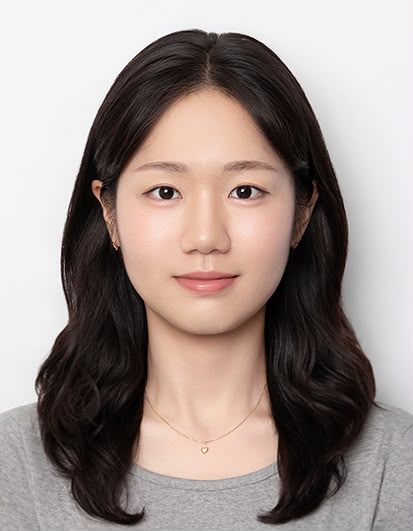
Systems Thinking in AI Governance: Mitigating Algorithmic Bias for Economic Equality
Examining the limits of innovation-centric approaches and proposing a human-in-the-loop, multi-stakeholder governance model for fairer AI systems.
Quinton Apollo Dotzert – University of Kansas, East Asian Languages & Cultures (MA)

AI and Culture: Drawing the Line Between Human Agency and Generative AI
Exploring why AI can imitate culture but cannot replace the uniquely human experiences and emotions behind it—and how we define the boundaries of agency when humans collaborate with AI. A lens on soft power in the age of generative models.
Alexandra Khalil Baldessari – Oral Roberts University, Global Studies (Asia Studies)
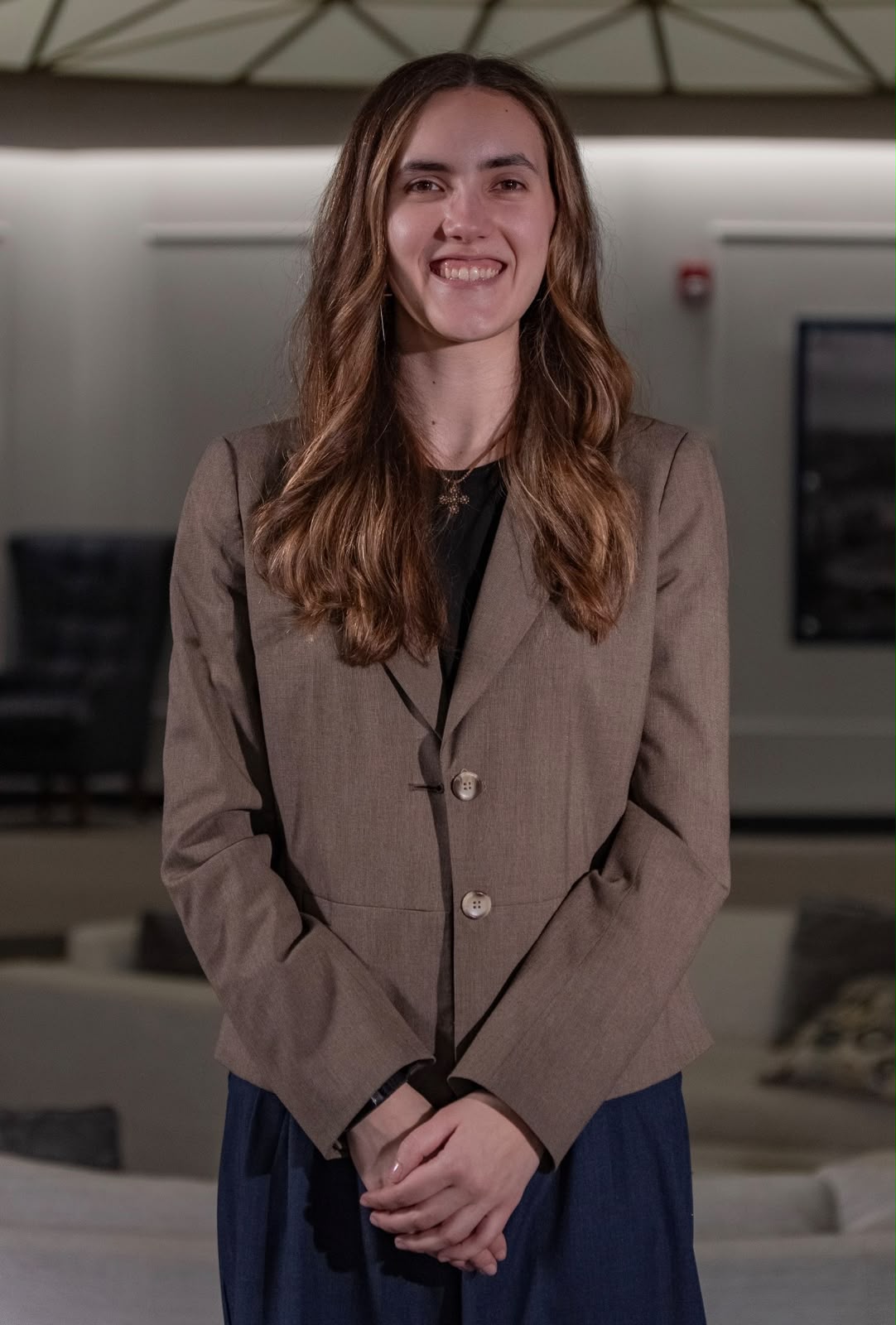
The Impact of AI Dependency on Critical Thinking and Innovation, and the Importance of Human Agency and Ethical Guidelines in AI Development
From an artist’s perspective: “AI is the co-pilot, not the pilot.” Examining how over-reliance on AI may erode the very creativity and critical thinking that drive innovation.
Seohyeon Kang – Korea University, Statistics & Financial Engineering

Fixing the Old with the New: AI’s Role in Financial and Political Reform, and the Need for Universal Education
Leveraging AI to address legacy problems—information asymmetry, algorithmic bias—in finance and governance, while advocating for universal AI education and infrastructure across all generations.
Why flash talks work:
Five minutes forces clarity. Students can’t hide behind jargon or vague generalities. They must crystallize their thinking into the sharpest possible version of their argument. And because multiple students speak, we get intellectual diversity—different disciplines, different national perspectives, different assumptions about what matters most.
This is reverse mentoring at its best: practitioners listening to voices they don’t normally hear, from people who will live with AI longer than anyone else in the room.
Part 3: Panel Discussion - Silicon Valley Meets the Next Generation (40 minutes)
This is not passive Q&A. This is active dialogue—where students and practitioners meet as equals, challenging assumptions, extending ideas, and discovering what each generation can learn from the other.
Moderator
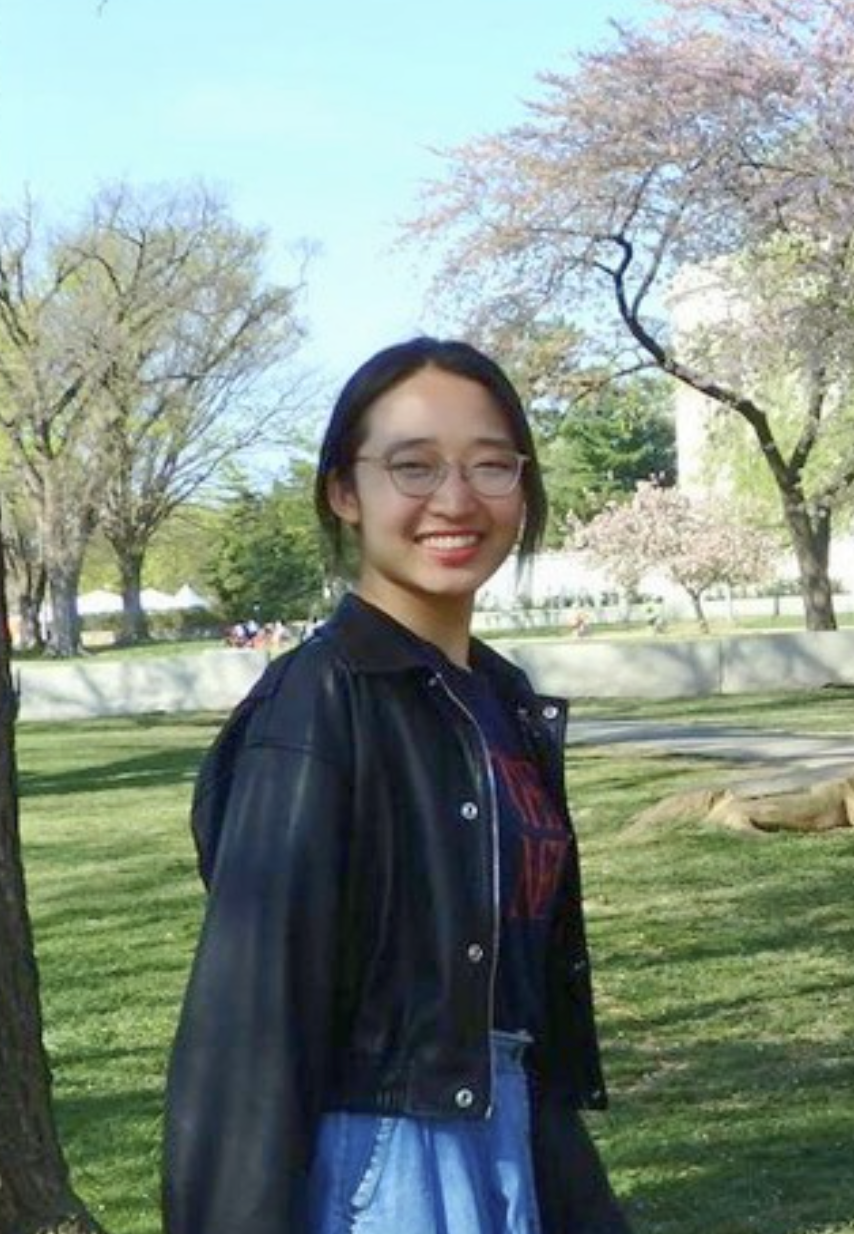
Hyein Kim – Taejae University, Data Science / KASC 19th Delegation Chair
Student Panelists
Dongjoo Jeong – Sungkyunkwan University, Political Science & Diplomacy

Win Sandy Saw – SUNY Buffalo, Biology

Expert Panelists
Soh Kim – Executive Director @ Stanford Center for Innovation Design Research (SCIDR), Stanford University
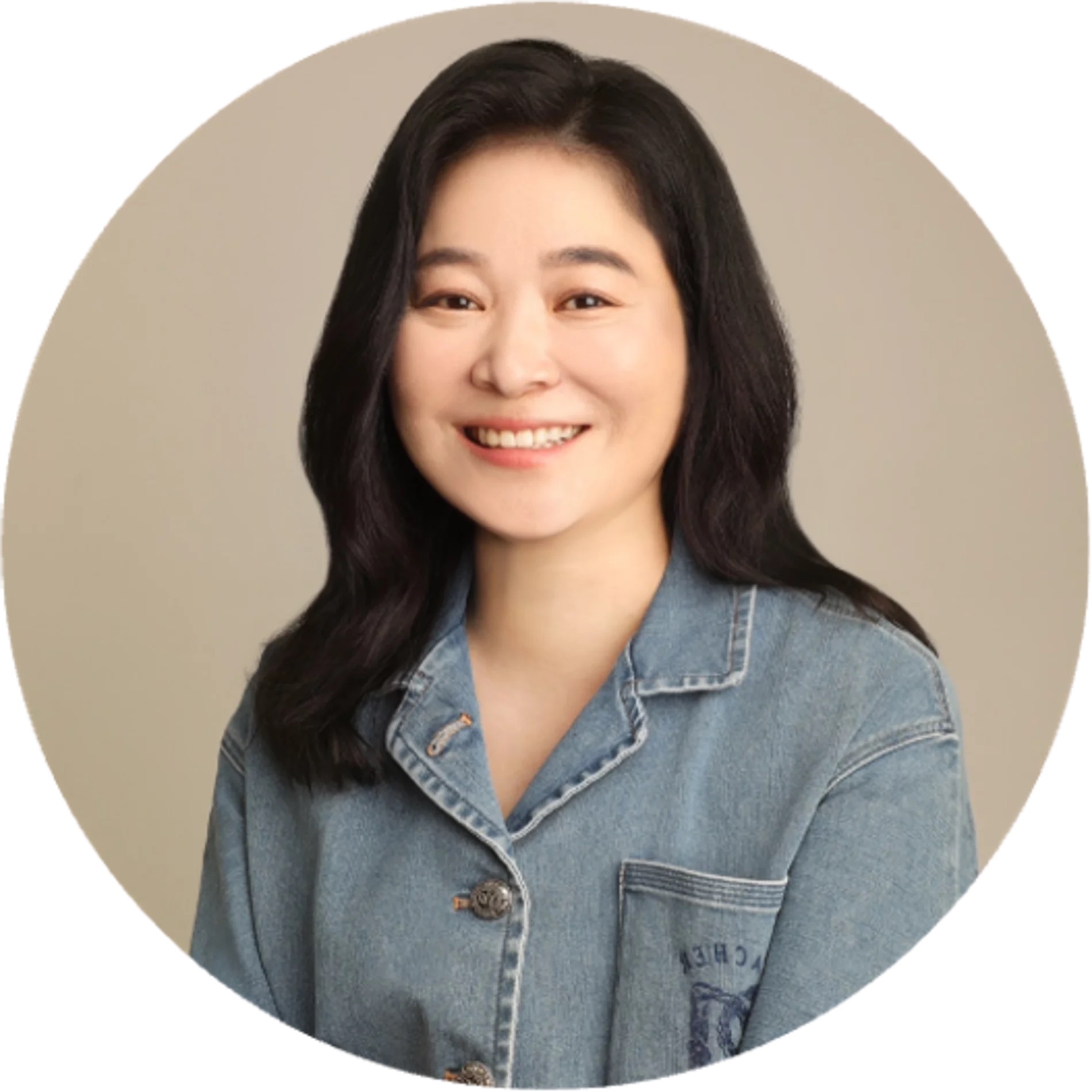
Prof. Soh Kim leads innovation design research at Stanford, where she also directs the Food Design Research program and founded the FoodInno Institute. With a Ph.D. in Open Innovation from UC Berkeley, industry experience spanning Cisco and Daimler-Mercedes Benz, and a career built at the intersection of design thinking, innovation management, and cross-cultural collaboration, she brings a rare design-driven, human-centered lens to questions of technology, agency, and innovation—a perfect complement to the panel’s dialogue between Silicon Valley practitioners and the next generation.
Sunghee Yun – Co-Founder & CTO @ Erudio Bio / Co-Founder & CEO @ Erudio Bio Korea / Founder & Chair of AI Nexus
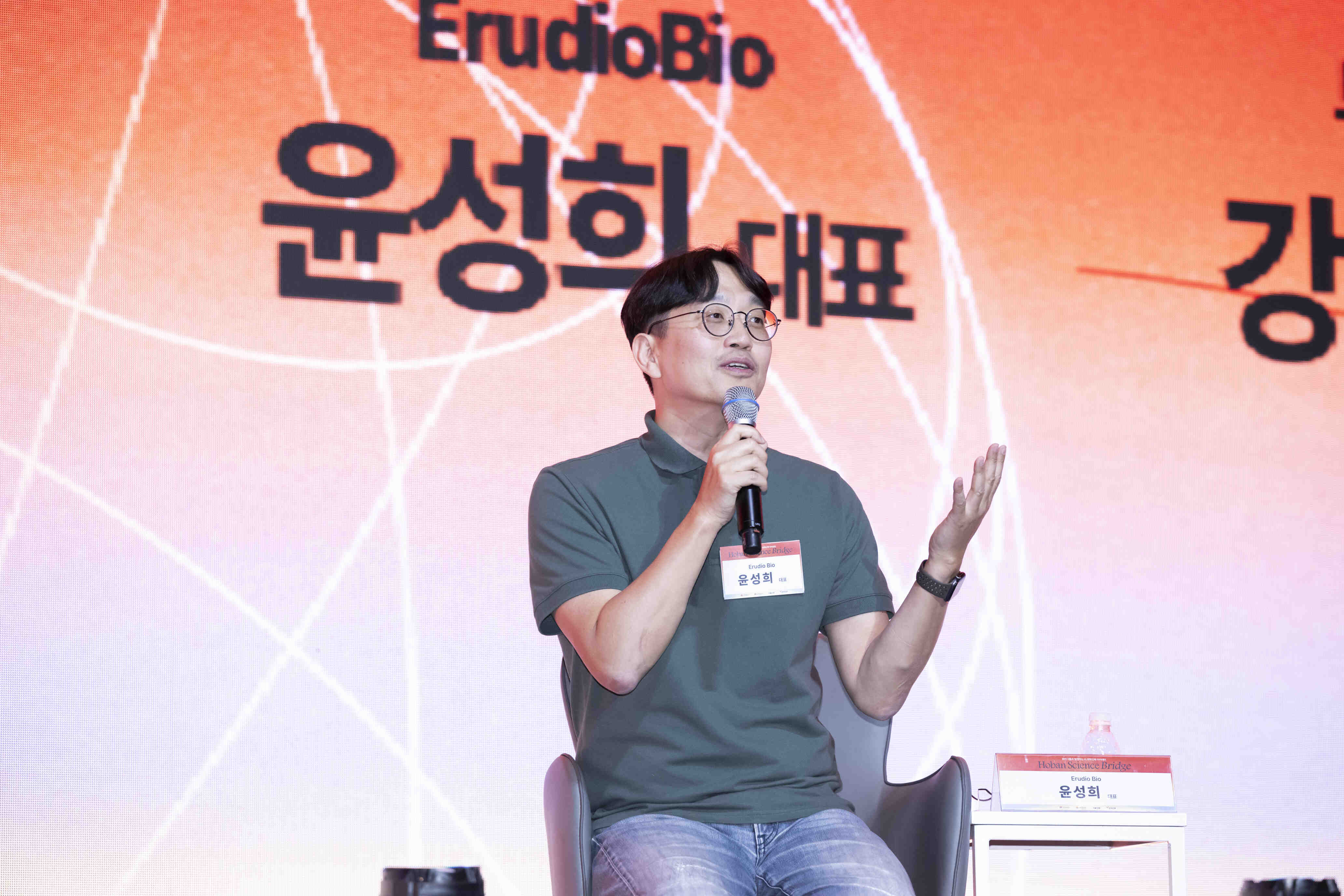
Dr. Sunghee Yun builds AI at the intersection of deep tech and real-world impact—today as Co-Founder & CTO of Erudio Bio, a Stanford spin-out applying AI to next-generation bio-sensing, diagnostics, and bioTCAD, a drug discovery in-silico software platform using measurement-anchored computational chemistry and AI. With a Ph.D. in Electrical Engineering from Stanford and a B.S. from Seoul National University, his career spans Samsung Semiconductor, Amazon (Senior Applied Scientist), Gauss Labs (Co-Founder & Head of Global R&D), and SK Hynix (VP/Fellow)—two decades of turning Convex Optimization, Machine Learning (ML), Artificial Intelligence (AI), and signal processing into products at global scale. As Co-Founder & Leader & Chair of AI Nexus, Visiting Professor at Sogang University, and Advisory Professor at DGIST, he has spent his career doing exactly what this colloquium celebrates: building bridges—between Korea and Silicon Valley, between research and industry, and between generations of technologists.
The panel will:
- Challenge assumptions: Where are students overestimating or underestimating difficulty? What real-world constraints do they need to consider?
- Add practitioner context: What does tech sovereignty look like when you’re building products, raising capital, navigating regulation, or deploying systems at scale?
- Extend the conversation: What insights from students’ flash talks can practitioners build on? Where does next-gen thinking reveal blind spots in current practice?
- Create dialogue: This is not lecture-response. This is conversation—students ask follow-ups, practitioners ask clarifying questions, the audience participates.
Questions the panel might explore:
- What surprised you about the students’ perspectives?
- Where do you see alignment or tension between next-gen thinking and current practice?
- What should students understand about the gap between policy ideals and implementation reality?
- How can Korea-US collaboration address the challenges students identified?
- What advice would you give students entering this space professionally?
- What should we (practitioners) be learning from them?
This is where the real value emerges—not just from the prepared talks, but from the unscripted exchange that follows.
Dinner & Extended Networking (65+ minutes)
6:55pm - 8pm (and beyond)
Dinner generously sponsored by the Consulate General of the Republic of Korea at San Francisco.
The formal program ends. The real community-building begins.
This is where KASC students meet AI Nexus mentors one-on-one. Where founders discover future team members. Where professors meet prospective graduate students. Where practitioners offer career advice, make introductions, and plant seeds for collaborations that will take years to bear fruit.
For KASC students:
- Meet Silicon Valley practitioners who can advise on career paths, graduate programs, startup ideas, or research directions
- Get honest feedback on your thinking from people who work in this space every day
- Build relationships with potential mentors, collaborators, or future colleagues
- Experience the AI Nexus community culture: intellectually serious, professionally supportive, genuinely welcoming
For AI Nexus practitioners:
- Discover fresh perspectives from students who think differently than you do
- Identify future talent—bilingual, bicultural students who combine technical skill with policy sophistication
- Build connections with Korea’s next generation of engineers, policymakers, and thought leaders
- Remember why you got into this work: not just to build cool technology, but to shape a better future
For everyone:
- Make the kinds of connections that last for decades
- Find people working on the same problems from different angles
- Experience genuine cross-generational, cross-cultural exchange
- Leave energized by the conviction that the next generation is thoughtful, capable, and ready to build
Pro tips for maximizing networking:
- Ask students what they’re working on. Don’t assume they’re just learning—many are already building, researching, or leading.
- Offer specific help. “Let me introduce you to…” or “I can send you a resource on…” is more valuable than generic advice.
- Get contact info and follow up within 48 hours. The best connections require follow-through.
- Think long-term. These students will be peers, collaborators, or leaders within 5-10 years. Invest accordingly.
- Be generous. The karma economy is real, and generosity compounds.
Why You Should Attend
If you work in tech policy, AI governance, or national security
- Hear how the next generation thinks about tech sovereignty, privacy, and human agency
- Understand the perspectives of those who will implement (or revise) today’s policy choices
- Meet students who will be tomorrow’s policymakers, diplomats, and thought leaders
- Sharpen your own thinking by engaging with people who question your assumptions
If you’re an engineer, researcher, or technical leader
- See how students with technical backgrounds think about societal implications
- Discover talent: students who combine coding skill with policy sophistication are rare
- Get fresh perspectives on problems you’ve worked on for years
- Reconnect with the idealism that brought you into this field
If you’re a founder or startup operator
- Meet potential future hires, co-founders, or advisors
- Learn how the next generation views startups, innovation, and risk-taking
- Understand how younger users think about privacy, agency, and technology
- Build relationships with students who might join your team or start competing companies
If you’re an investor
- Understand how the next generation frames value, risk, and opportunity
- Meet exceptionally talented students years before they become founders
- Sharpen your thesis on Korea-US collaboration, tech sovereignty, and AI governance
- Discover where tomorrow’s competitive advantages might emerge
If you’re an educator or mentor
- See what peer institutions’ students are working on
- Connect with students who might join your research group or program
- Build partnerships for future educational collaborations
- Experience a model of cross-generational, cross-cultural learning
If you’re an AI Nexus community member
- Participate in our most unique event of the year
- Invest in relationships that will define the next decade of Korea-US collaboration
- Experience reverse mentoring firsthand
- Celebrate the community’s commitment to building bridges across generations
If you’re exploring career directions
- Meet students navigating similar questions about tech, policy, and purpose
- Hear practitioners reflect on their own career paths
- Discover what bilingual, bicultural careers in AI and policy look like
- Find inspiration and practical guidance
Three Forms of Value - Why This Benefits Everyone
Hyein Kim (KASC Chair) framed this colloquium around three value propositions. We think they’re exactly right.
Fresh Insight (Reverse Mentoring)
Students today are AI natives. They grew up with algorithmic feeds, surveillance capitalism, filter bubbles, and privacy trade-offs as background conditions of life—not as new phenomena requiring explanation.
Their perspectives on privacy, agency, and tech sovereignty aren’t naive. They’re informed by lived experience that older generations don’t have.
When a student says “privacy is dead,” they’re not being cynical—they’re reporting what they observe. When they question whether individual consent is a meaningful framework in an age of ambient data collection, they’re not confused—they’re thinking clearly about power asymmetries that policy often ignores.
Practitioners benefit from hearing these perspectives—not because students have all the answers, but because they ask different questions.
Future Network
The students at this colloquium won’t stay students.
Within 5 years, they’ll be:
- Engineers at Google, OpenAI, Anthropic, startups, research labs
- Policymakers in Washington, Seoul, Brussels, international organizations
- Founders raising Series A, shipping products, hiring teams
- Researchers publishing papers, advising governments, shaping discourse
- Investors making bets on the next wave of AI companies
- Diplomats negotiating tech agreements between nations
The relationships you build today become the collaborations of tomorrow.
Investing time in students is not charity. It’s strategy. The people you mentor, advise, or simply treat with respect today will remember—and when they’re in positions of influence, those relationships matter.
Talent Spotting
KASC students represent exceptional talent:
- Bilingual/bicultural fluency: Speaking Korean and English is table stakes. Understanding both Korean and American cultural contexts is rare.
- Interdisciplinary thinking: Students who combine engineering with policy, or economics with philosophy, are exactly who you want on your team.
- Academic excellence: KASC selects from top-tier universities in both countries. These are students who could go anywhere—and chose to spend their summer building Korea-US bridges.
- Demonstrated initiative: They’re not waiting for someone to tell them what matters. They’re researching, writing, debating, and leading.
This colloquium is your chance to meet them before everyone else does.
The best hires, co-founders, and collaborators are often people you meet years before you work together. This is that meeting.
Target Audience
Everyone who cares about the future of Korea-US collaboration, AI governance, and cross-generational learning!
- Current AI Nexus members and past forum attendees
- Technology practitioners (engineers, researchers, product leaders)
- Policy professionals (government, think tanks, advocacy organizations)
- Founders and startup operators
- Investors (VC, corporate venture, angels)
- Educators and academic researchers
- Students and early-career professionals
- Anyone working at the intersection of Korea and Silicon Valley
- Anyone committed to building the next generation of tech leaders
Special invitation to:
- Practitioners interested in reverse mentoring and fresh perspectives
- Anyone building Korea-US bridges in technology, policy, or education
- Mentors and advisors willing to invest time in student development
- Organizations exploring partnerships with universities or student groups
- AI Nexus members who want to experience our most unique event of the year
About the Venue - Stanford University
This colloquium takes place at EVGR C Theater, Stanford University—the intellectual and entrepreneurial heart of Silicon Valley.
Stanford has been the birthplace of Google, Cisco, Sun Microsystems, Yahoo, LinkedIn, and countless other companies that shaped the modern technology landscape. It’s where theory meets practice, where research becomes products, and where students become founders.
Hosting this event at Stanford is symbolically perfect.
KASC students get to experience one of the world’s most important technology institutions. AI Nexus practitioners return to a campus where many of them studied, taught, or began their careers. And the setting reinforces the message: the next generation belongs here, contributing to the conversations that shape the future.
How This Fits AI Nexus’s Mission
AI Nexus exists to explore and advance AI’s comprehensive landscape while elevating community and giving back to society.
This colloquium embodies all three pillars:
1. Explore & Lead
Tech sovereignty and human agency sit at the intersection of technology, policy, ethics, philosophy, and geopolitics—exactly the kind of comprehensive exploration AI Nexus pursues. Bringing students into this conversation ensures we’re not just exploring today’s questions, but also the questions the next generation will inherit.
2. Elevate Community
The strongest communities span generations. When experienced practitioners take students seriously—listening, critiquing, mentoring, and connecting—everyone grows. Students gain confidence and clarity. Practitioners gain perspective and humility. And the community becomes richer.
3. Give Back to Society
Investing in the next generation is giving back. Every minute spent mentoring a student, every introduction made, every piece of advice offered—that’s how knowledge, networks, and values transfer across generations. This is AI Nexus at its best: not just talking about the future, but actively shaping it.
Final Thoughts - Why This Matters
We live in a moment where the decisions we make about AI, data, sovereignty, and human agency will echo for decades. The students at this colloquium didn’t choose this moment. They inherited it. But they’re rising to meet it with seriousness, sophistication, and a determination to build something better than what they were handed.
They deserve our attention. They deserve our respect. And they deserve our investment.
This colloquium is that investment. Come to hear fresh perspectives. Stay to build relationships that will matter for decades. Leave convinced that the next generation is ready—and that our job is to support them, challenge them, and learn from them.
See you at Stanford on July 29th.
We will see you all there!
Best regards,
AI Nexus Committee
Special thanks to Hyein Kim (KASC Chair) and the entire KASC 19th Delegation for this remarkable partnership. We’re honored to be part of your Silicon Valley experience.
We extend our deepest gratitude to the Consulate General of the Republic of Korea at San Francisco for their generous sponsorship of this event, and to Consul Kyeongrae Cho for honoring us with congratulatory remarks.